



WE TAKE THINGS APART.
WE FIGURE THINGS OUT.
Hack-X is a student technical collective at MIT-WPU exploring cybersecurity, hardware, and the systems that power our world.
*packet timing jitter verified under load
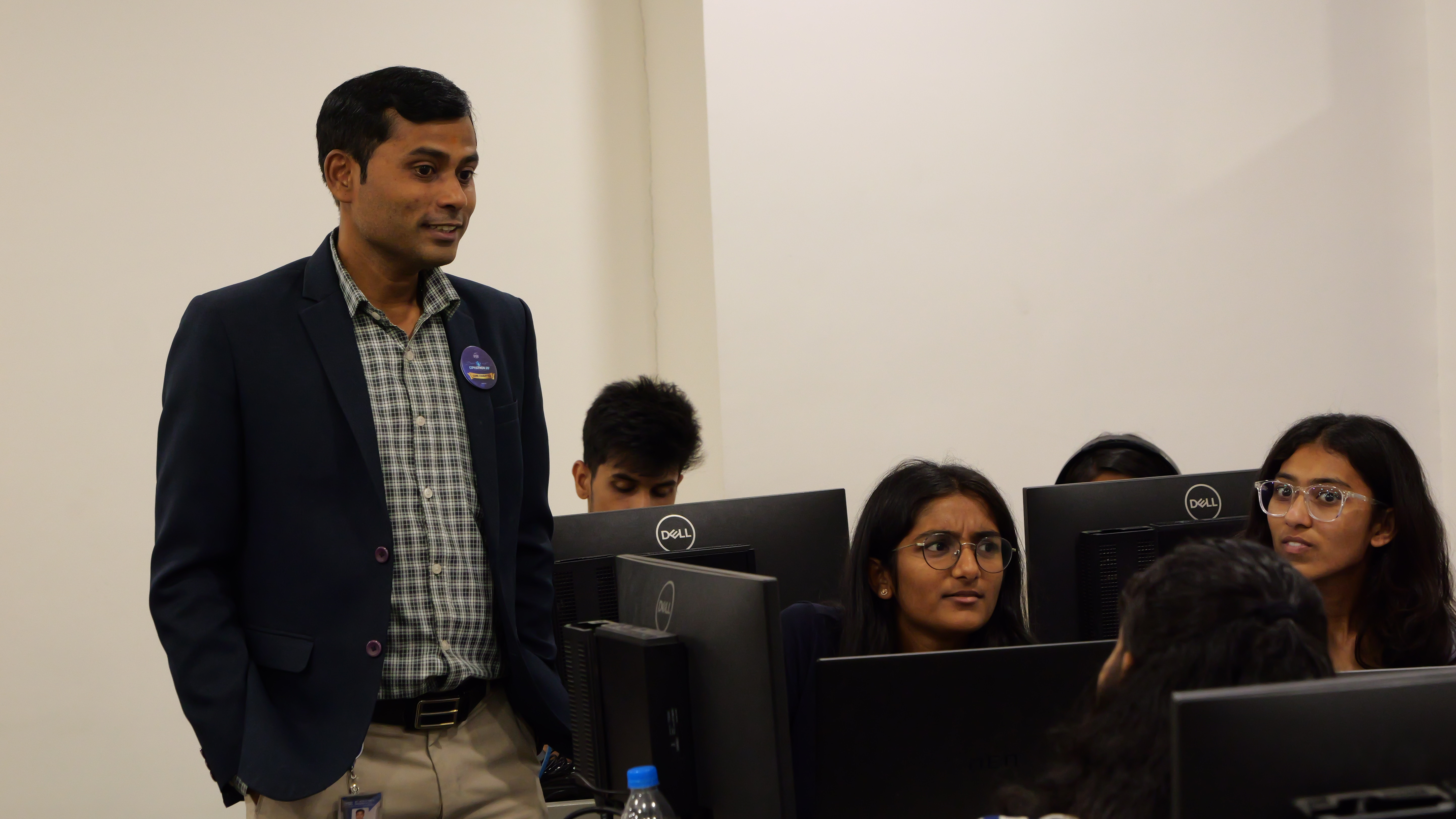
Firmware binary dump successfully verified over SPI flash extraction.
The Archive Index
Explore Hack-X by discipline. Each domain represents active research, student projects, and hands-on lab experimentation at MIT-WPU.
Offensive Security
Binary triage, memory corruption, reverse engineering, and finding vulnerabilities before adversaries do.
Cyber Defense
Designing intrusion detection matrices, hardening infrastructure, and deep forensic packet inspection.
Hardware & Embedded
Microcontroller reverse engineering, SPI/I2C bus analysis, firmware extraction, and SDR experimentation.
Applied Research
Investigating zero-knowledge proof primitives, cryptographic protocols, and novel fuzzing architectures.
CTFs & Competitions
Hands-on jeopardy challenges, attack-defense war games, and competing across national & global student brackets.
Open-Source Tooling
Building production-grade security utilities and releasing them to the global defensive community.
Project Dossiers
Real engineering artifacts, open-source scanners, and hardware testbeds engineered by Hack-X members.
Project Aegis
An automated vulnerability scanner for microservices architectures.
Cipher Vault
Decentralized identity management system using zero-knowledge proofs.
Gatekeeper IoT
Open-source biometric authentication gateway for IoT devices.
OSINT Mapper
Real-time threat intelligence correlation tool from public data sources.
Hardware Fuzzer
A custom fuzzer designed to test embedded system firmware.
Data Sentinel
High-performance encrypted log storage system resistant to tampering.
Events & War Games
Printed tickets, war-room logs, and hackathon documentation from Hack-X flagship events at MIT-WPU.
Hack MIT
A university-wide flagship event featuring multiple tracks, including a specialized Capture The Flag (CTF) sub-track for cybersecurity enthusiasts.
National Cyber Hackathon
A high-intensity, 24-hour national competition combining traditional software hacking with complex CTF challenges.
Cybersecurity Seminar
A cybersecurity focused seminar/webinar aimed at enhancing technical awareness and industry exposure among students.
Bytes & Insights 26' (3rd Edition)
A large-scale cybersecurity seminar featuring expert speakers and interactive sessions aimed at enhancing technical awareness.
HackTober 26'
A professional podcast initiative focused on producing high-quality cybersecurity conversations, interviews, and knowledge-sharing.
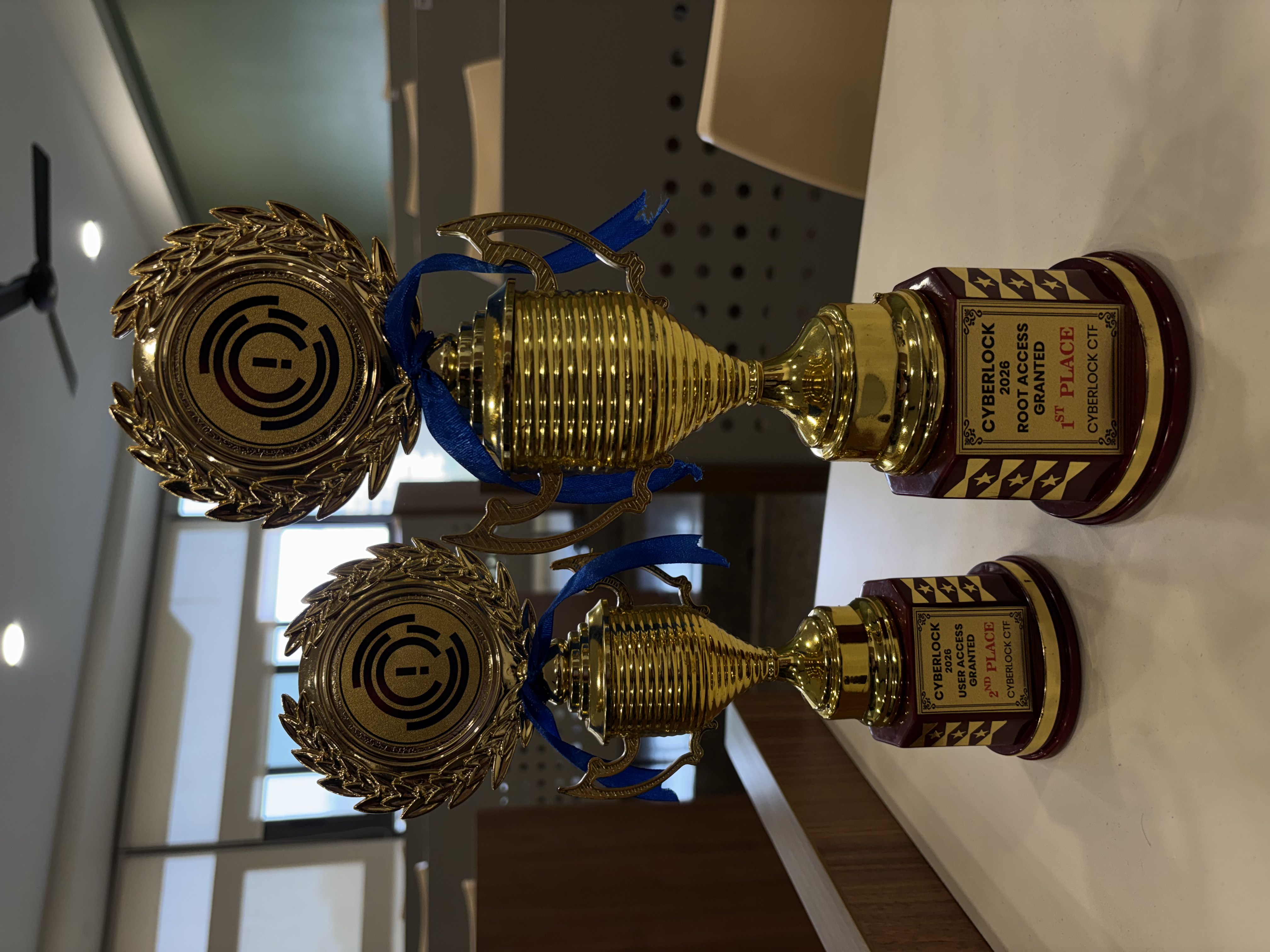
HACK-X CTF
A competitive offline/online CTF event planned to offer hands-on cybersecurity challenges and promote skill-building.
Field Notes
The research notebook of Hack-X. Technical CTF writeups, hardware teardowns, and defensive build retrospectives.
Deconstructing Ciphathon CTF: Binary Exploitation & Canary Bypasses
Detailed memory layout inspection, analyzing stack canary behavior, and crafting ret2libc payloads during our 24-hour national hackathon CTF.
SPI Flash Extraction: Dumping Microcontroller Firmware Over Hardware Busses
Physical bus tapping using logic analyzers, extracting raw hex dumps from SOIC-8 flash memory, and identifying squashfs partitions.
Network Anomaly Triaging via Zero-Allocation Go Packet Filters
Engineering a low-latency packet inspection daemon in Go to identify port-scanning bursts without inducing CPU bottlenecks.
The Philosophy
Why Hack-X exists at MIT World Peace University and how our community approaches technical exploration.
A university collective built on genuine technical curiosity.
At MIT-WPU, cybersecurity isn’t a theoretical bullet point on a syllabus. It is a hands-on craft where students experiment with live networks, reverse compiled binaries, design CTF challenges, and examine hardware busses with logic analyzers.
Curiosity through experimentation
We believe the fastest way to understand complex protocols is to take them apart in a controlled lab environment.
Learning by building
Theory is only the blueprint. We construct physical testbeds, write custom packet triage scripts, and build functional open-source tools.
Responsible security research
Every technique practiced here operates within strict ethical boundaries, responsible disclosure principles, and academic integrity.
Cross-domain collaboration
Modern vulnerabilities exist at the intersection of firmware, network infrastructure, and web runtimes. We bring software and hardware minds together.
Open student access
No elitism, no gatekeeping. Whether you just installed Linux or have solved 50 CTF challenges, there is a place for your curiosity at Hack-X.
Capture network packets, sniff logic busses, and map attack surfaces without preconceptions.
v
Disassemble binaries in Ghidra/GDB, read memory registers, identify failure states.
v
Implement mitigation patches, publish open-source tooling, and write lab notes for the community.
The People Behind The Work
Student leadership, research leads, and core contributors driving technical initiatives at MIT-WPU.
Alex Rivera
Specializing in zero-day research.
Samantha Chen
Passionate about malware analysis.
Jordan Hayes
Expert in web exploitation and crypto.
THERE'S ALWAYS SOMETHING
LEFT TO FIGURE OUT.
Curious about how systems work, how they fail, or how to build something better? Find your place in the Hack-X community at MIT-WPU.